
Application
Membranes for industrial and textile effluent
An MBR removes solids and bacteria from process wastewater, and reverse osmosis takes out dissolved salts, so treated water can go back into your plant. SRP makes the membranes and builds the system around them.
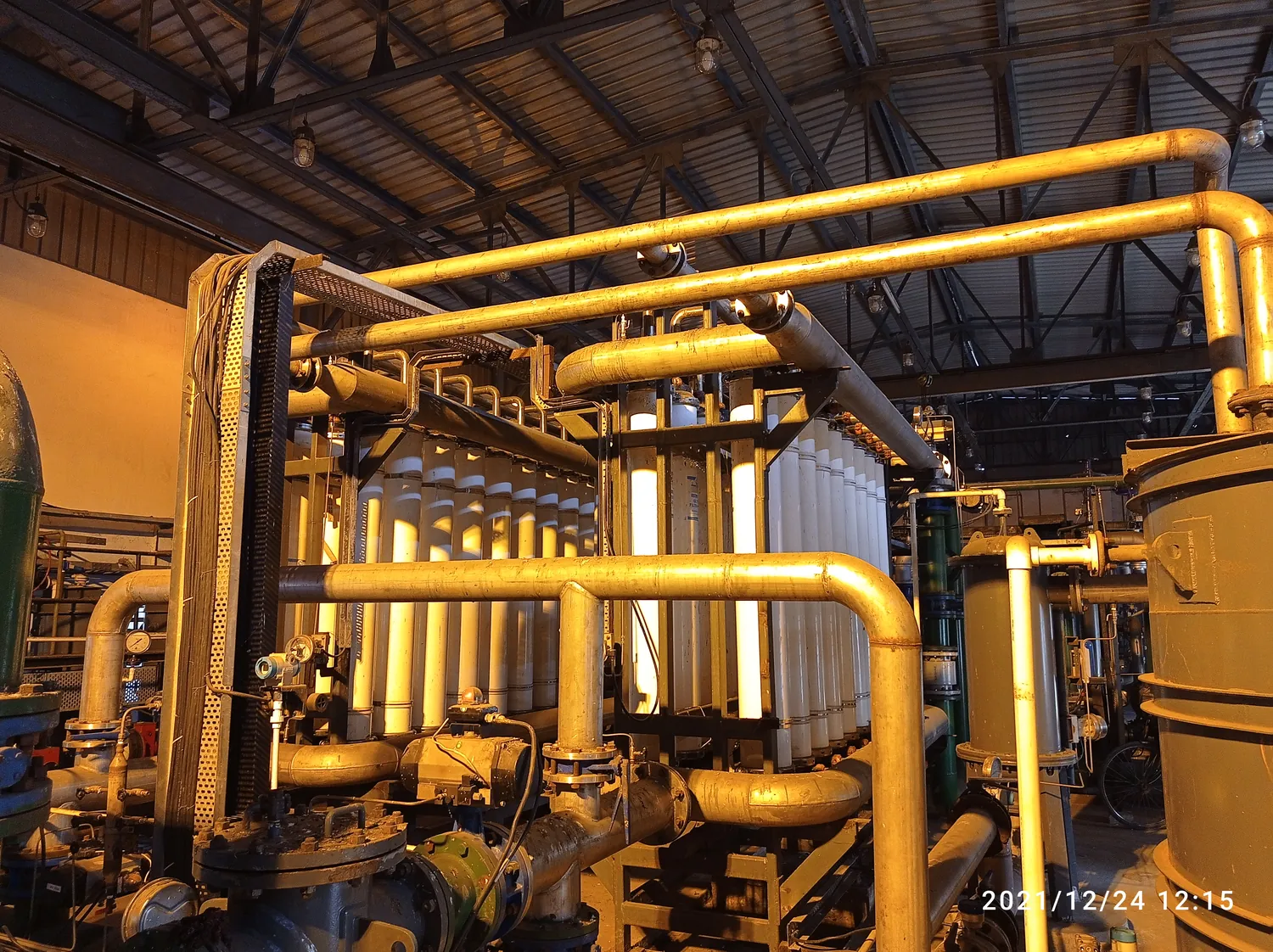
The challenge
Process wastewater is hard on treatment plants.
Textile wet-processing effluent (desizing, scouring, bleaching, dyeing and printing) is typically high in colour from reactive and disperse dyes, with elevated COD and BOD, dissolved solids from process salts, alkaline pH, raised temperature, and suspended solids including lint and fibres. Batch operations make the load swing from hour to hour, which conventional clarifiers handle poorly.
A membrane stage holds the line. The membrane is a physical barrier, so the quality of the permeate does not depend on how well the sludge settles.
Short answer
What do you need? Biological treatment with an MBR for solids and bacteria. Reverse osmosis if the water is to be reused and dissolved salts must come down. DTRO and ZLD if you cannot discharge the reject.
Who supplies it? SRP Membranes for the membranes, SR Paryavaran for the plant.
Treatment train
From effluent to reusable water.
A typical arrangement for process effluent. Every plant is designed around its own feed water.
- 1
Screening and equalisation
Screens remove fibres and lint. An equalisation tank balances flow, pH and temperature before the biological stage.
- 2
Biological treatment with MBR SRP membranes
AEROFLO, REINFLO or HI-FLO modules replace the clarifier and hold back solids.
- 3
Ultrafiltration, where needed SRP membranes
ULTRAFLO capillaries polish the water ahead of RO.
- 4
Reverse osmosis SRP membranes
Removes dissolved salts so water can return to the process.
- 5
DTRO and zero-liquid discharge SRP membranes
Recovers more water from the concentrate and minimises what is left.
Recommended membranes
The SRP lines used for this application.
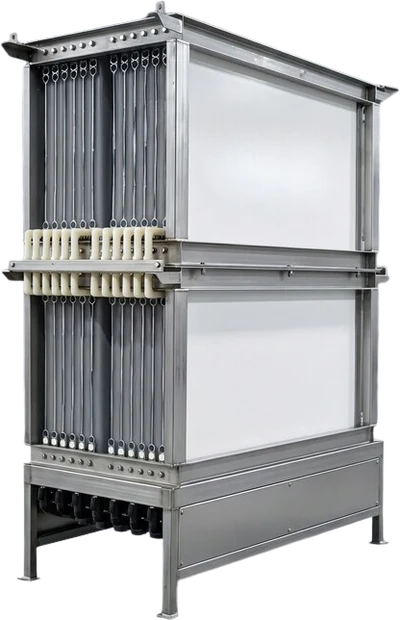
SRP AEROFLO
Corrugated PVDF flat sheet, 0.1 µm, operating pH 6–9. A compact option for biological stages with steady feed.
View details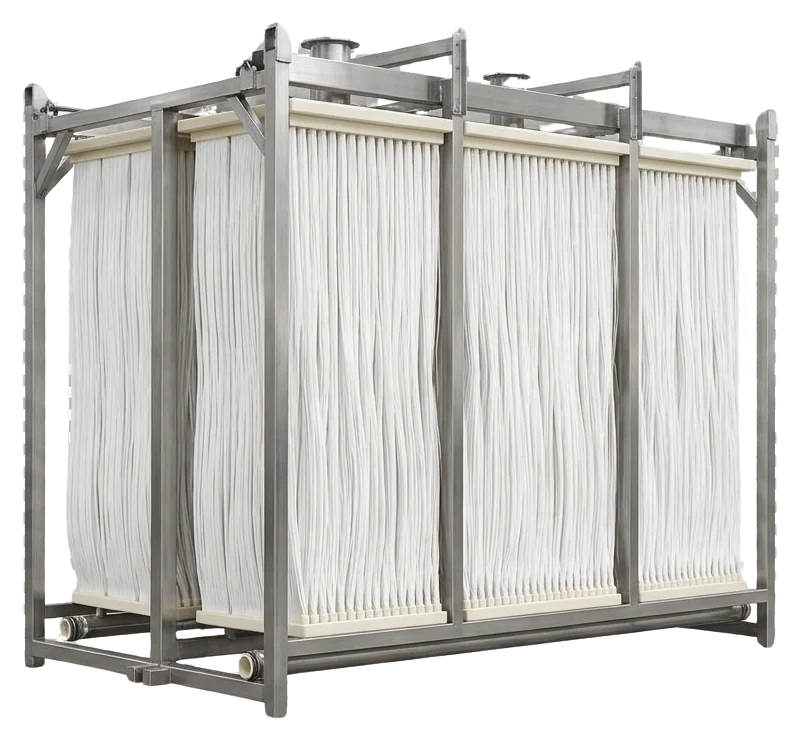
SRP REINFLO
Reinforced PVDF capillary, 0.03 µm, operating pH 1–12. Suited to variable, fouling-heavy industrial streams.
View details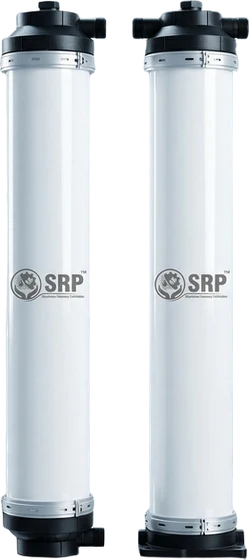
SRP ULTRAFLO
Capillary ultrafiltration ahead of RO, or as a stand-alone polishing step.
View details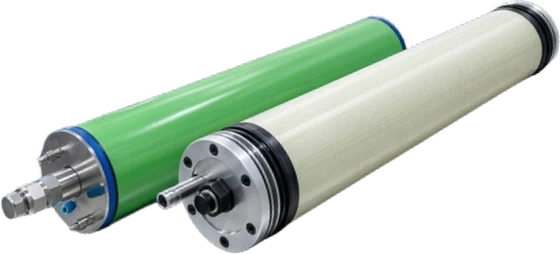
SRP RO elements
BW, ULP and SW elements that bring dissolved salts down so water can return to the process.
View details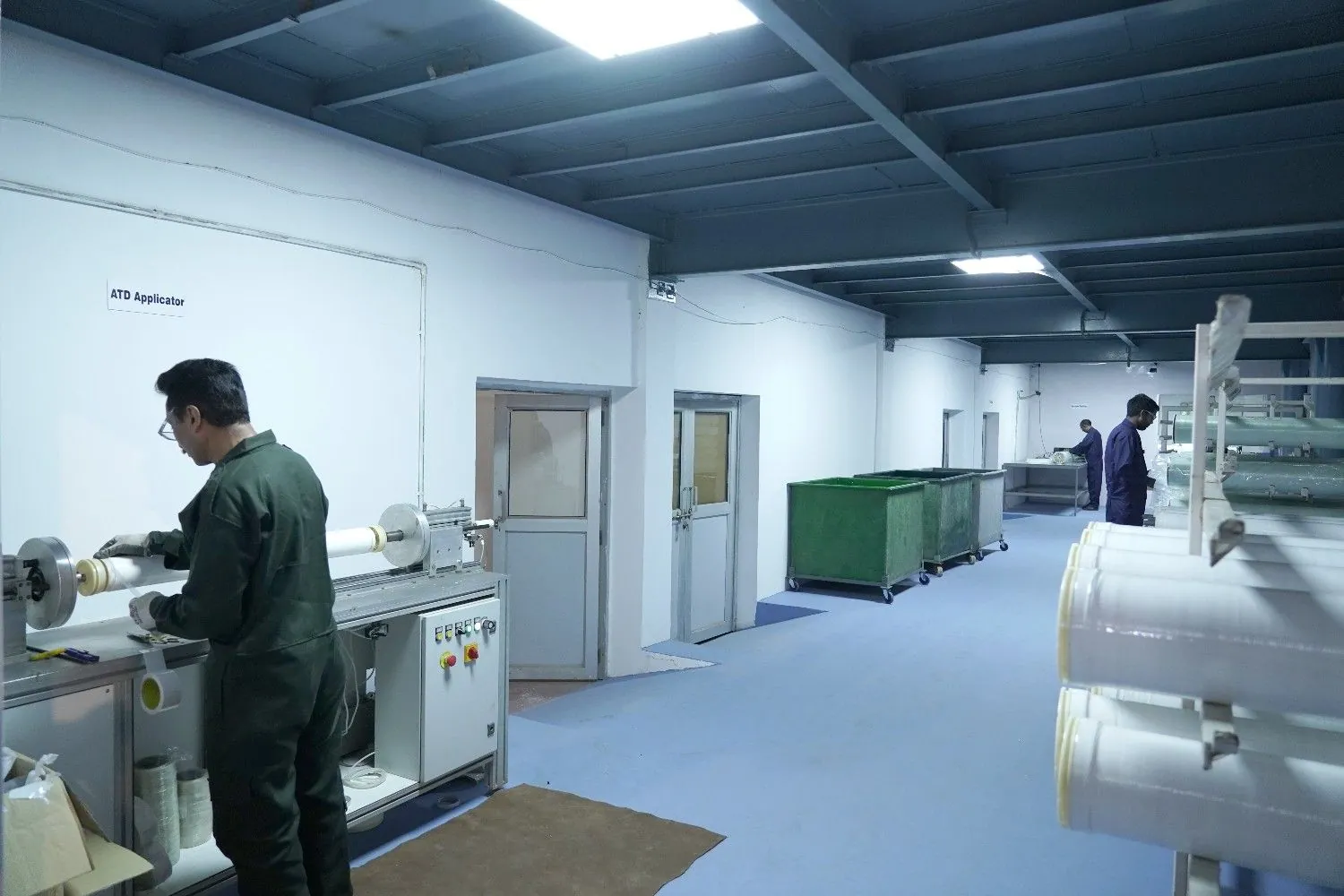
Made by SRP
One supplier, membrane to plant.
SRP Membranes manufactures MBR, UF and RO membranes. SR Paryavaran designs, builds and commissions the effluent treatment plant around them, and supports it after start-up.
That means one team is accountable for how the membrane and the plant perform together.
In practice
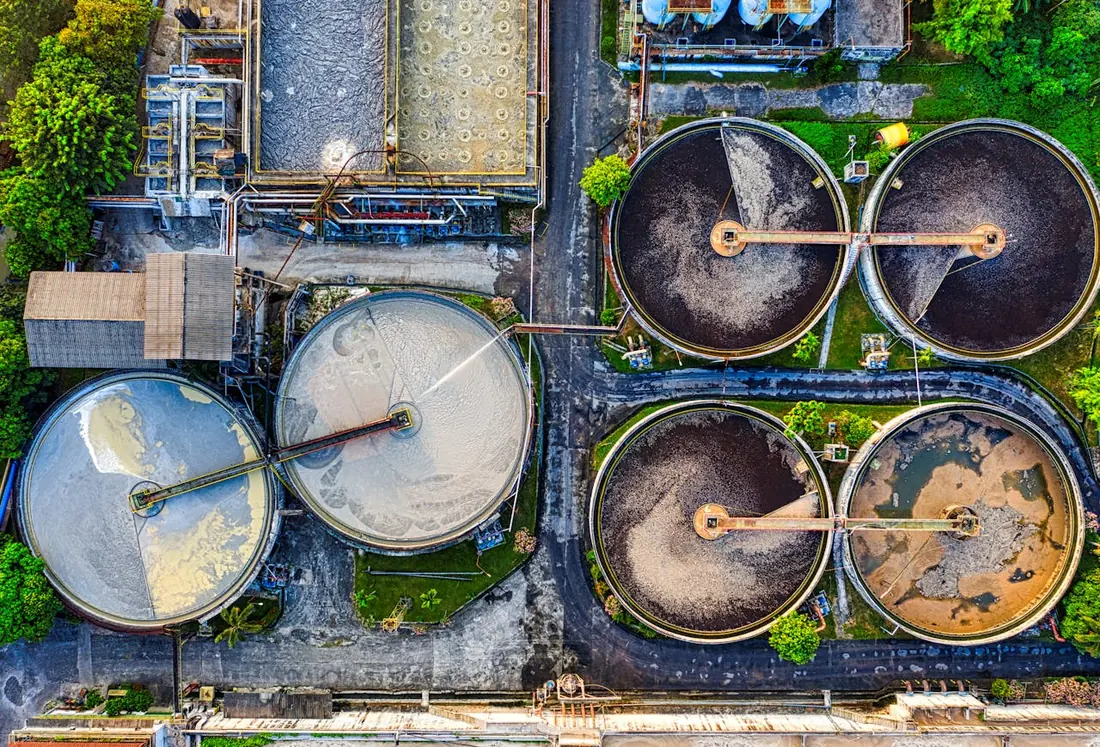
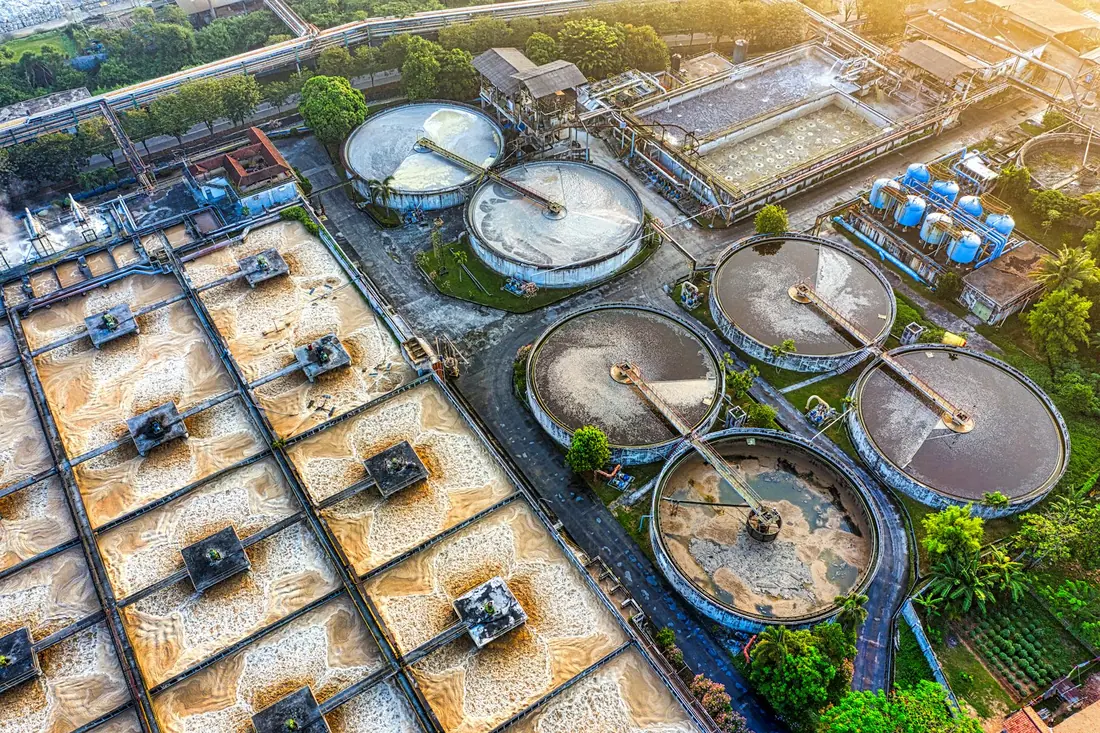
Sites and industries.
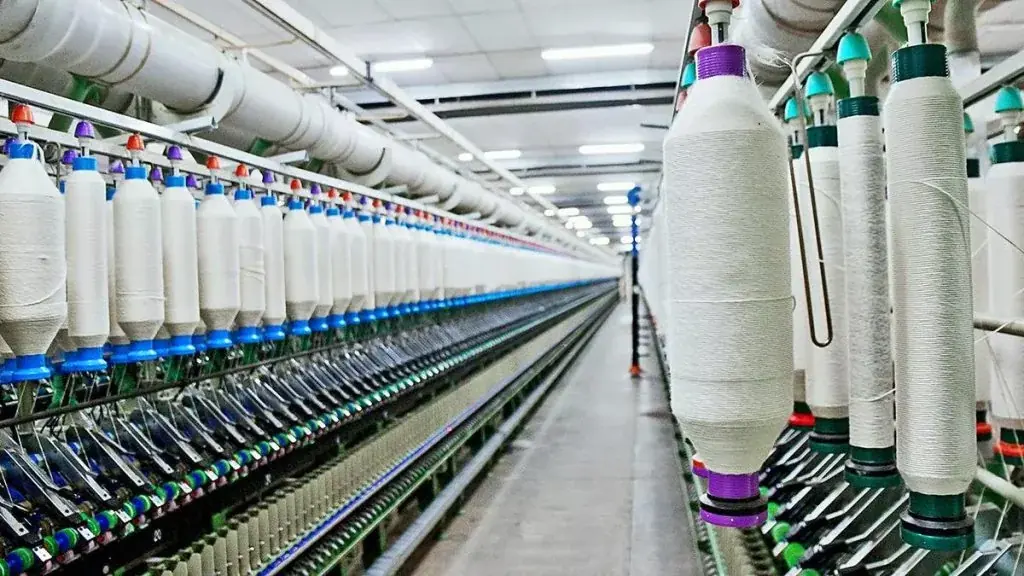
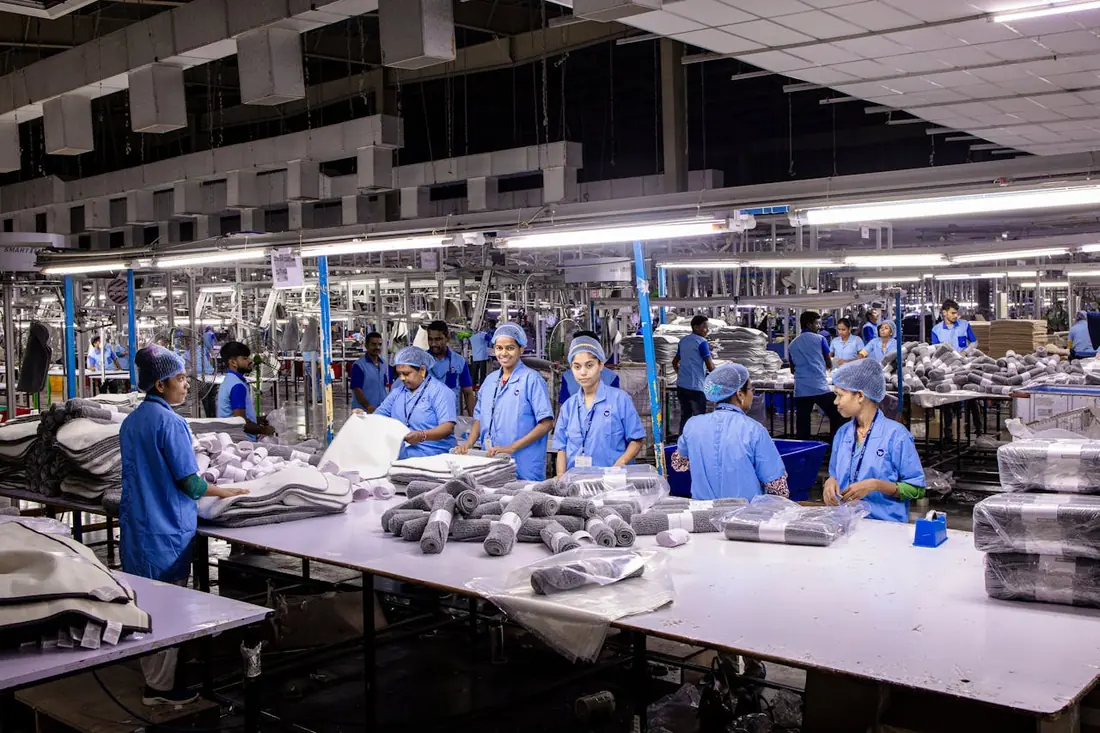

Questions
Frequently asked questions.
Straight answers on membranes for industrial and textile effluent.
Can an MBR treat textile effluent?
Yes. A membrane bioreactor combines biological treatment with membrane filtration, so it removes suspended solids and bacteria and produces a consistent permeate. Textile permeate usually still carries dissolved solids (TDS) and residual colour, so a reverse osmosis stage is normally added when the water is to be reused in the process.
Which SRP MBR membrane suits wastewater with a wide pH swing?
SRP REINFLO is rated for an operating pH of 1–12, the widest of the three MBR lines. AEROFLO is rated for pH 6–9 and HI-FLO for pH 2–12. Final selection depends on your feed water, so send us your effluent data and we will confirm.
Can treated textile effluent be reused?
In many plants, yes. Membrane-treated water, followed by reverse osmosis where dissolved salts need to come down, can go back to utilities or suitable process steps. The quality your process needs sets how far the water must be treated.
What happens to the reverse osmosis reject?
The reject is a concentrated, high-salinity stream. It can be reduced further with disc-tube RO (DTRO) and then handled through a zero-liquid discharge scheme, which recovers more water and minimises the liquid left to dispose of.
Does SRP supply only membranes, or the whole treatment plant?
Both. SRP Membranes manufactures the membranes, and SR Paryavaran designs and builds the treatment system around them. You can buy modules for an existing plant or a complete effluent treatment plant from one supplier.
How do I size a membrane system for my flow?
Use the membrane selector on this site for a first estimate from your daily flow in KLD, or send us your flow and effluent quality and our engineers will size it. Final sizing depends on feed water, temperature and design flux.
From our parent company
Need the complete plant?
SRP Membranes makes the membranes. Our parent company, SR Paryavaran, designs and builds the whole plant.
Talk to our engineers
Tell us about your water.
Share your application and daily flow. We reply with a suitable membrane or a complete treatment system.
- +91 90565 26208Call or WhatsApp
- crm@srpepl.comQuotes and datasheets
- 70, Industrial Area, Phase - I, Panchkula, Haryana, India - 134113Head office
- Jebel Ali Free Zone, Dubai, U.A.E.International office